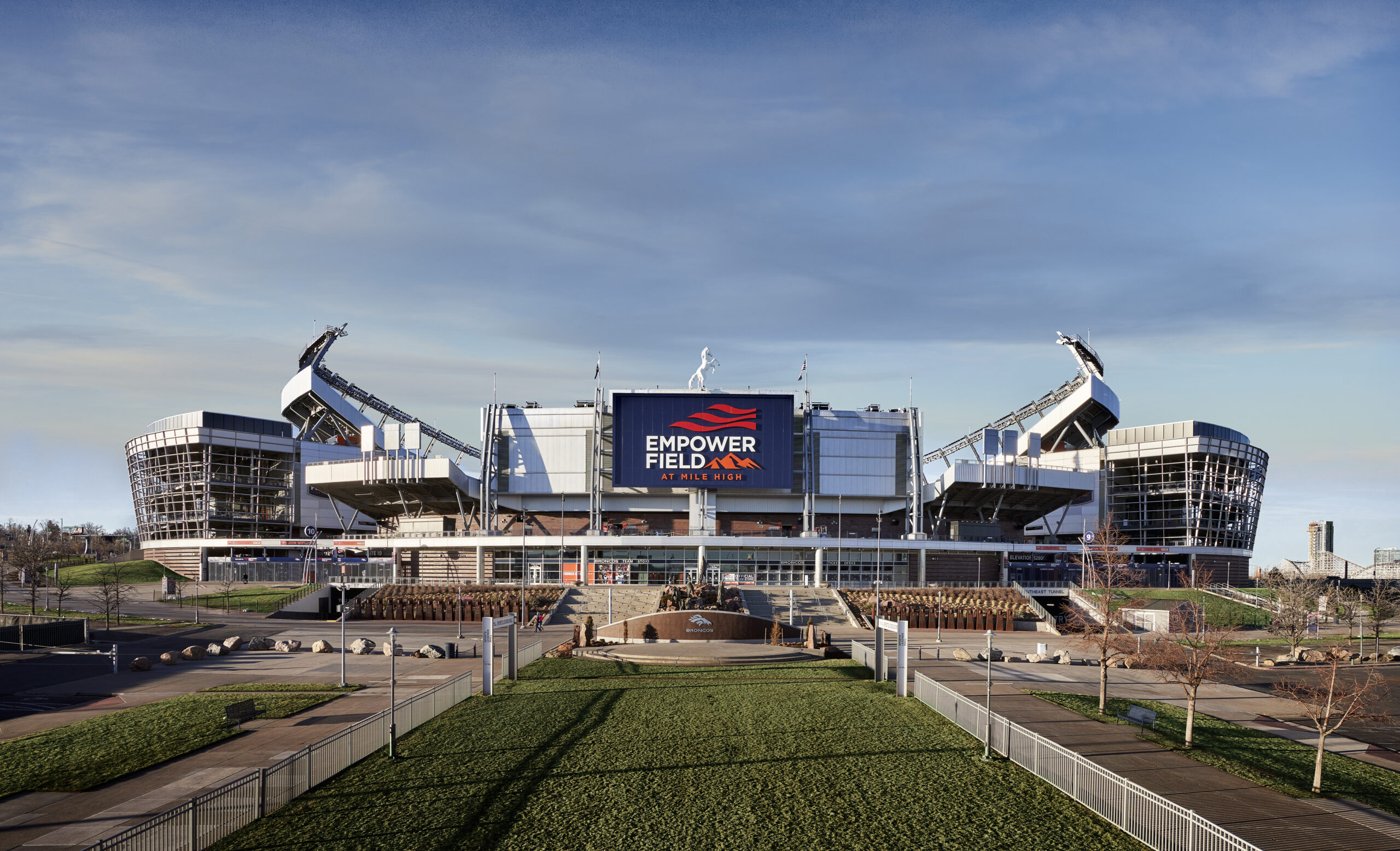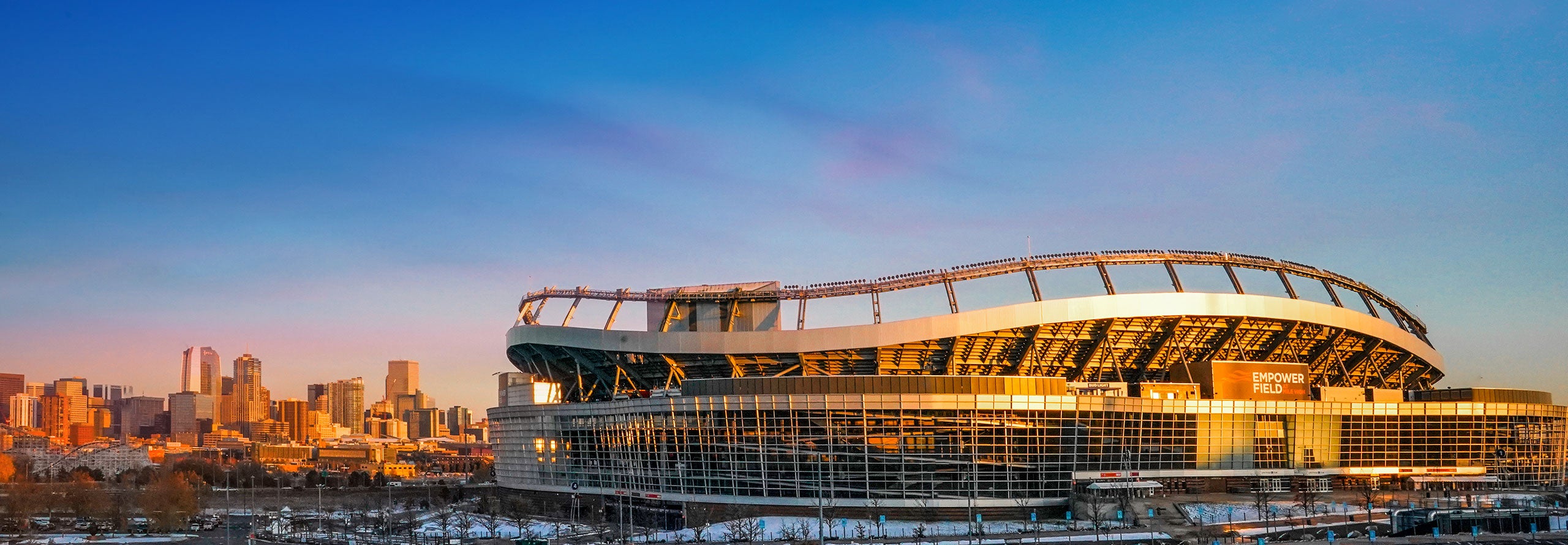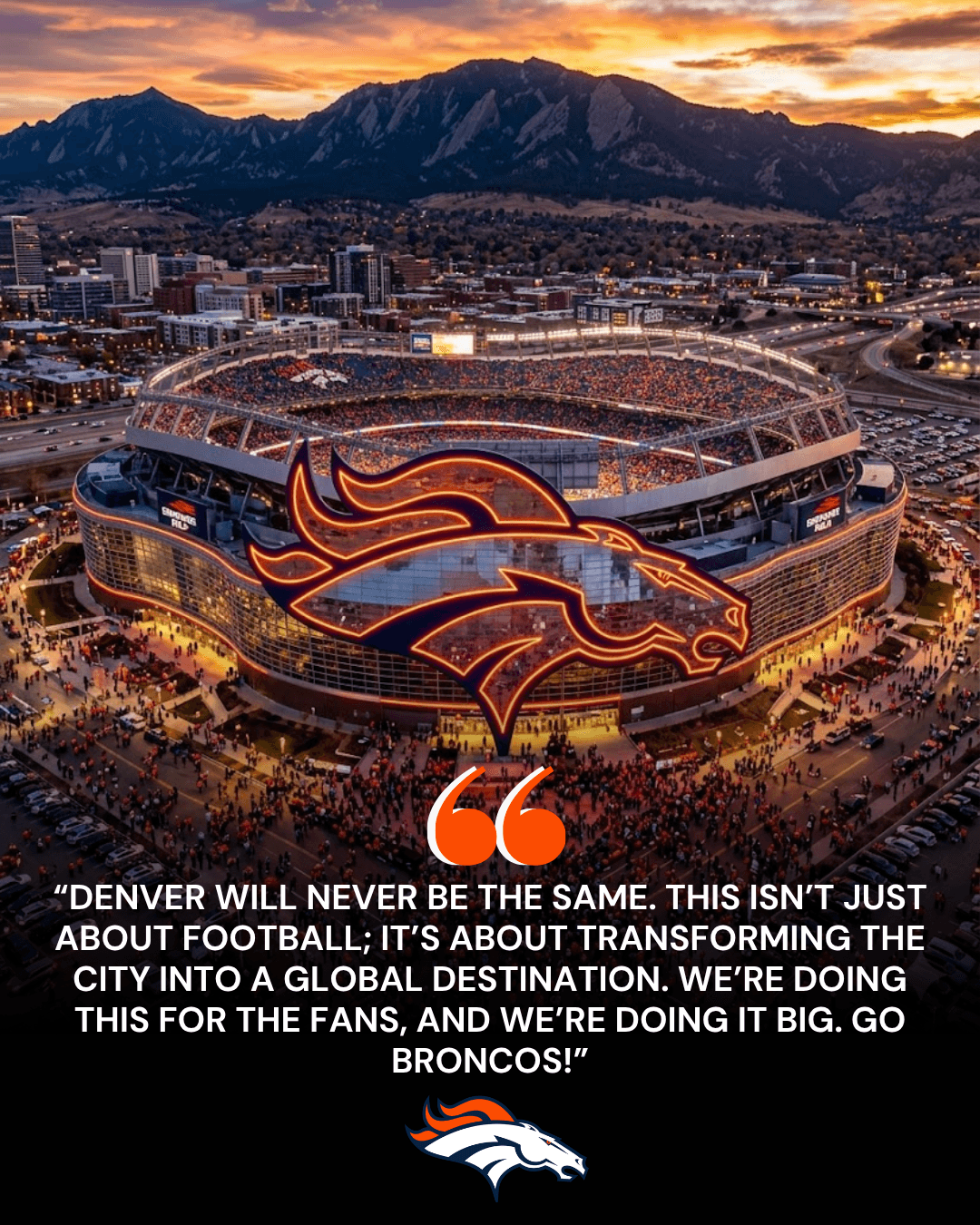
In a jaw-dropping announcement that is already dominating headlines, the city of Denver has unveiled a staggering $5.1 billion vision to completely transform Empower Field at Mile High into a next-generation sports and entertainment powerhouse.
What is being described as more than just a renovation is, in reality, a full-scale reimagining of what a modern football experience should look like, blending sports, luxury, technology, and lifestyle into one ambitious and controversial mega-project.
At the heart of the plan lies a dramatic overhaul of Empower Field at Mile High, but the vision extends far beyond the stadium itself, encompassing an entire district designed to keep fans engaged long before and long after kickoff.

The proposal includes a high-end hotel, a sprawling entertainment and dining complex, expanded fan zones, and an exclusive “Broncos Legacy Experience” that aims to celebrate the storied history of the Denver Broncos while pushing the franchise into a bold new era.
Backed by powerful investors and institutional support, the project has quickly gained momentum, signaling that this is not just a conceptual dream but a very real initiative with the potential to reshape the landscape of professional football.
Supporters of the plan argue that this transformation is exactly what the Denver Broncos need to remain competitive in an era where fan engagement, immersive experiences, and entertainment value are becoming just as important as on-field success.

They believe that creating a destination rather than just a stadium will attract a broader audience, generate year-round revenue, and position Denver as a global hub for sports and entertainment innovation.
However, not everyone is celebrating the announcement, as critics have quickly raised concerns about the sheer scale of the investment and what it could mean for taxpayers, local communities, and the long-term financial stability of the project.
Some question whether such a massive financial commitment is justified, especially in a league where on-field performance ultimately determines fan loyalty, arguing that no amount of luxury can replace winning football.
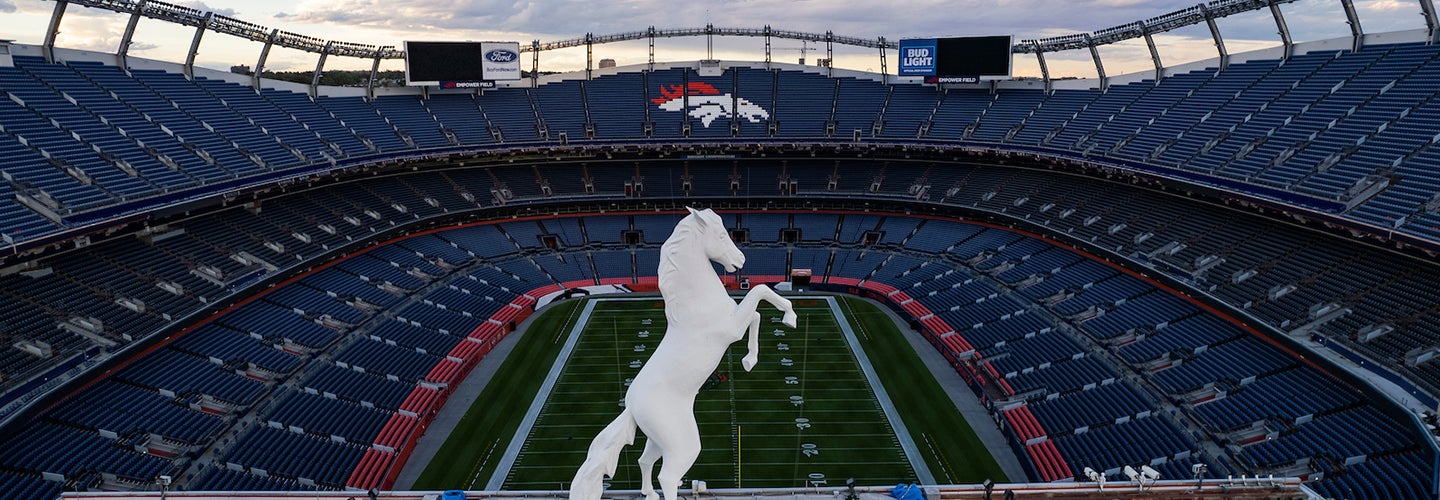
Others worry about the potential impact on the surrounding area, including rising costs of living, displacement, and the broader economic implications of developing such an expansive entertainment district.
This divide has sparked intense debate across social media, where fans are torn between excitement over the futuristic vision and skepticism about whether the project prioritizes spectacle over substance.
Within the National Football League, the announcement has not gone unnoticed, as other franchises and executives closely monitor what could become a blueprint for the next generation of stadium development.