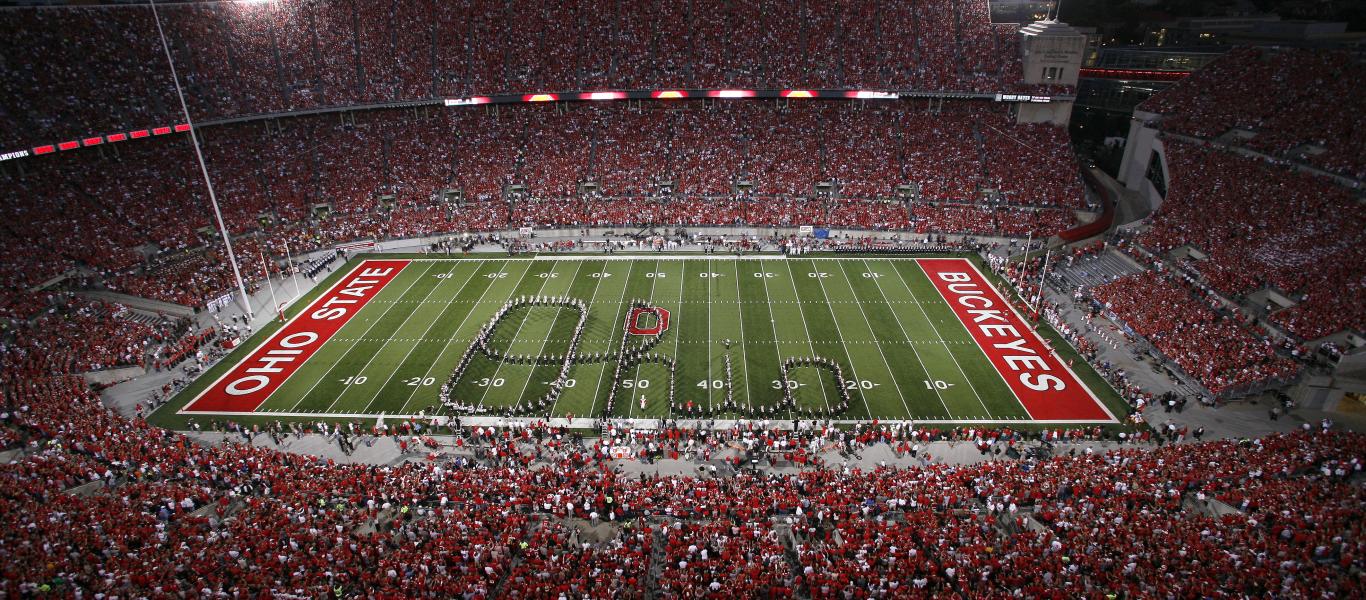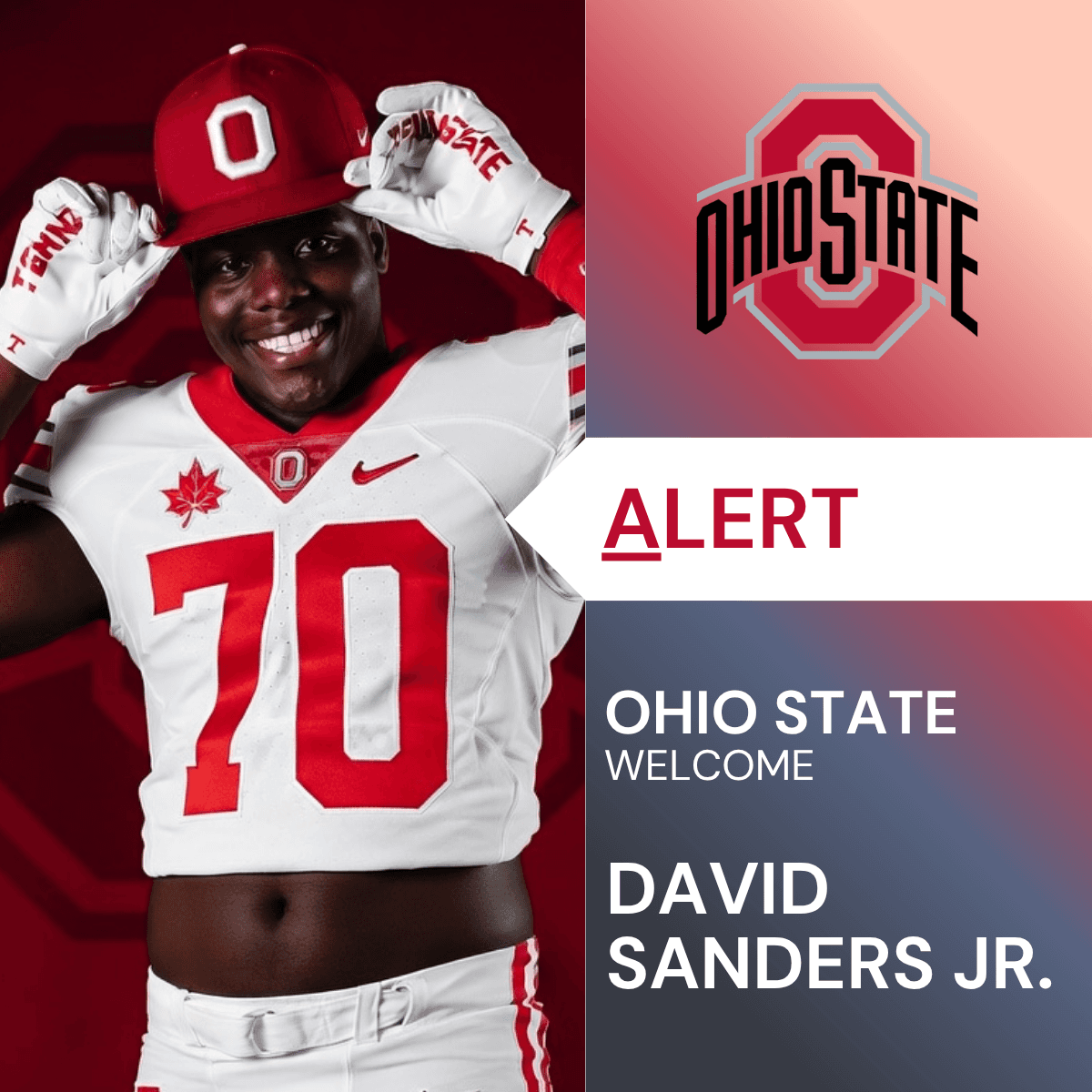
In a development that has stunned both soccer and football communities alike, a top national five-star right back has publicly expressed his desire to join the Ohio State Buckeyes soccer program, while referencing leadership under Ryan Day, a twist that has immediately ignited widespread confusion and debate.
The announcement spread rapidly across social media, with fans and analysts struggling to understand how one of the nation’s most sought-after soccer talents would link his future to a figure primarily associated with college football rather than the traditional soccer structure.

Within minutes, speculation erupted, with some suggesting a possible misinterpretation, while others began exploring the idea that Ohio State may be building a broader athletic identity that transcends individual sports and coaching boundaries.
Ohio State’s initial statement did little to settle the confusion, instead acknowledging the recruit’s interest while emphasizing the university’s commitment to excellence across all athletic programs, leaving room for interpretation and fueling further discussion.
Supporters of the Buckeyes have embraced the moment as a sign of the program’s growing influence, arguing that the Ohio State brand itself has become powerful enough to attract elite talent regardless of sport or traditional recruiting pathways.

Critics, however, have raised serious questions about clarity and direction, wondering whether this situation reflects a communication breakdown or a deeper strategic shift that has yet to be fully explained.
The recruit’s status as a five-star prospect has only intensified the spotlight, as his decision carries significant weight in shaping future expectations and recruiting narratives within collegiate soccer.
Analysts have begun debating whether this move signals a new era of crossover influence in college athletics, where branding, exposure, and institutional prestige may play a larger role than sport-specific considerations.

At the same time, some voices have urged caution, suggesting that the situation may be less revolutionary and more about perception, misunderstanding, or evolving communication strategies in the age of viral announcements.
Inside the Ohio State community, reactions have been mixed but passionate, with fans expressing excitement about the potential addition while also questioning how such a recruitment fits within the existing structure of the soccer program.
The mention of Ryan Day has become a focal point of the conversation, as observers analyze whether his influence extends beyond football or if his name has simply become synonymous with the university’s athletic identity.

Some believe that Day’s leadership and visibility could play a role in attracting talent across disciplines, while others argue that each sport requires its own specialized approach and cannot rely on crossover appeal alone.
The broader sports world has taken notice, with rival programs monitoring the situation closely, aware that any shift in recruiting dynamics could have ripple effects across multiple sports and conferences.
Social media has transformed the story into a viral phenomenon, with fans creating theories, memes, and debates that continue to push the narrative into new and unexpected directions.