

At the center of the storm was Alyssa Milano, a public figure long associated with activism and outspoken positions on social and political issues.

The claim suggested that Milano had refused to wear a rainbow themed outfit at a promotional event, framing the decision as a rejection of support for the LGBTQ community.
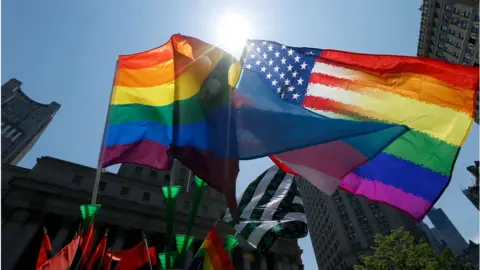
Within minutes, the narrative spread rapidly, amplified by emotionally charged captions and polarizing interpretations that pushed the story into trending territory.

Supporters of the claim praised what they described as a stand for personal values, arguing that individuals should not be pressured into symbolic gestures they do not fully support.

Others reacted with disbelief, noting that Milano has historically been an advocate for LGBTQ rights, making the claim appear inconsistent with her public record.
Critics were quick to question the authenticity of the statement, pointing out the absence of verified sources or confirmed footage supporting the allegation.
In today’s digital environment, stories like this can gain momentum quickly, often outpacing the process of verification and fact checking.
The phrase attributed to Milano, referencing a “woke agenda,” became a focal point for debate, drawing strong reactions from different sides of the cultural spectrum.
For some, it represented resistance to what they perceive as ideological pressure within the entertainment industry.
For others, it raised concerns about misinformation and the potential damage caused by spreading unverified claims about public figures.
Media analysts emphasize that viral narratives often rely on emotional triggers, encouraging users to react and share before fully assessing credibility.
This pattern can lead to widespread confusion, especially when a claim contradicts a well established public persona.
In Milano’s case, her history of advocacy makes the allegation particularly noteworthy, prompting many to call for caution and verification.
So far, there has been no widely confirmed report from major outlets verifying that such an incident took place.
This lack of confirmation has not stopped the story from circulating, illustrating how quickly speculation can become perceived reality online.