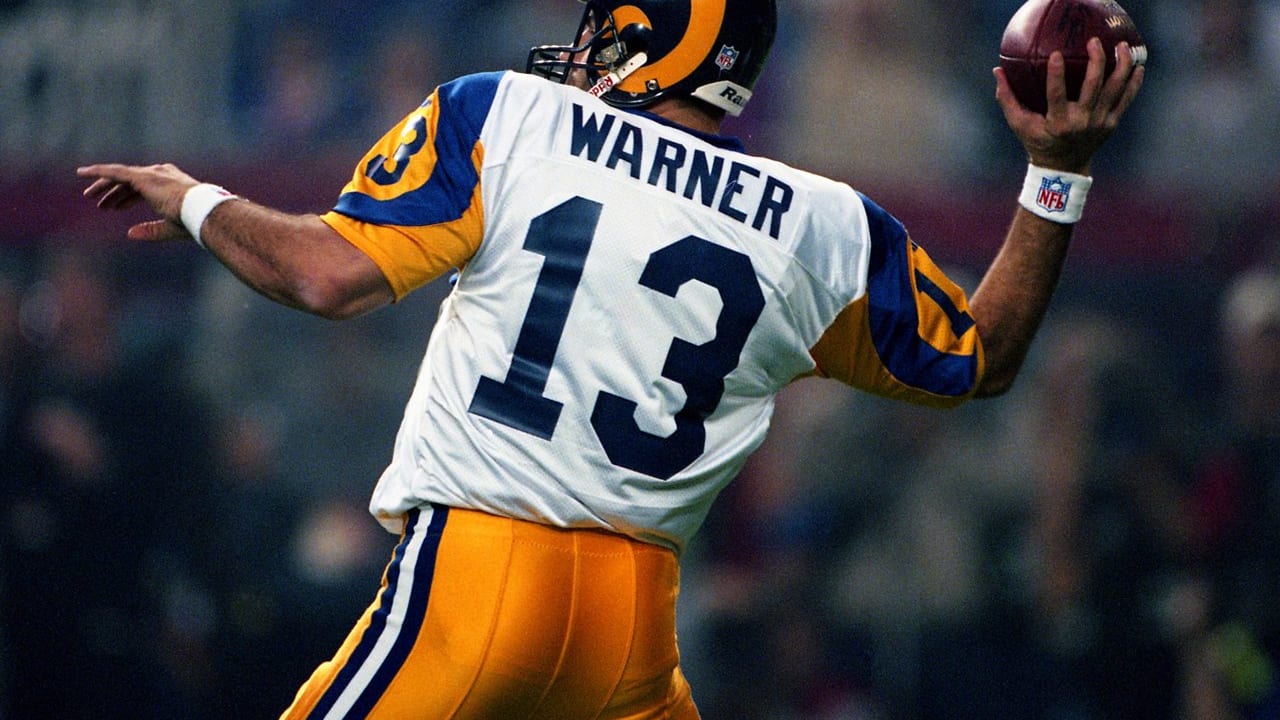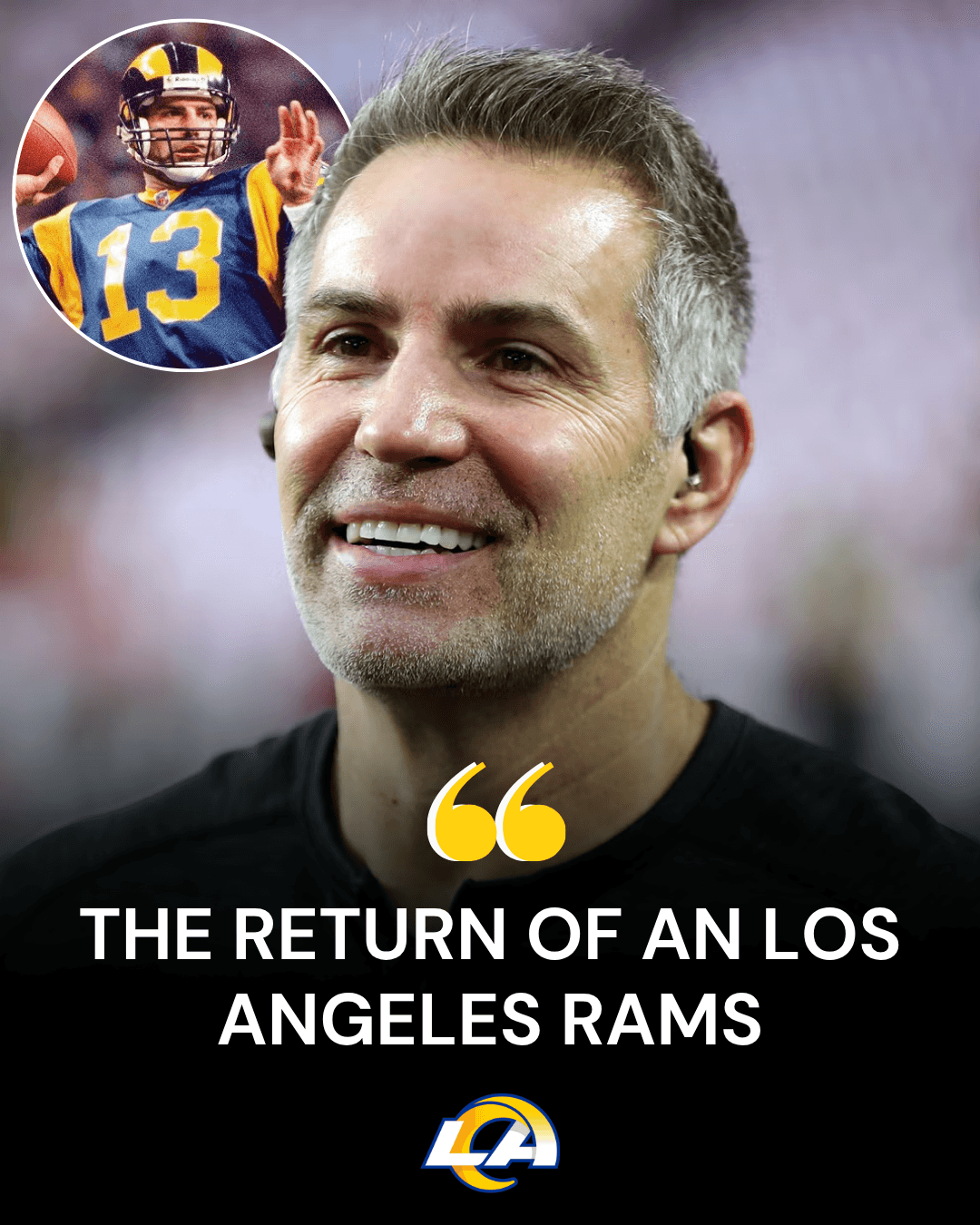
In a development that has instantly electrified the football world, Kurt Warner is officially set to return to California and rejoin the Los Angeles Rams in a powerful new leadership role beginning in early 2026.
The announcement has triggered a massive wave of excitement, confusion, and heated debate, as fans attempt to understand what this move truly means for a franchise already navigating the pressures of expectations and long-term success.
While Warner’s legacy as a Super Bowl champion and Hall of Fame figure is undisputed, his return in a non-playing capacity has raised immediate questions about influence, authority, and how much impact a former player can realistically have off the field.
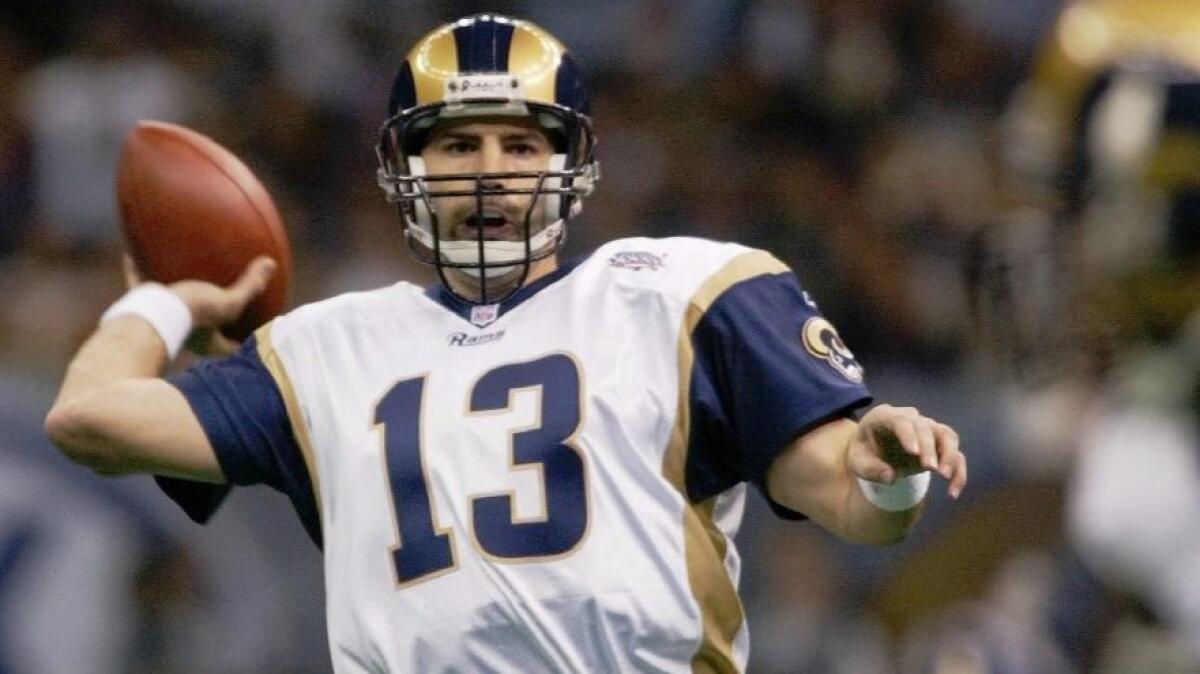
Supporters are celebrating the move as a brilliant decision, arguing that Warner’s experience, football intelligence, and leadership qualities could provide invaluable guidance to both players and coaching staff in a rapidly evolving NFL environment.
Critics, however, are not convinced, suggesting that nostalgia-driven decisions can sometimes overshadow practical considerations, especially in a league where innovation and adaptability are often more important than legacy alone.
The fact that the Rams have described the role as “powerful” has only intensified speculation, with many wondering whether Warner will have direct influence over roster decisions, offensive strategy, or even broader organizational direction.

This ambiguity has fueled intense online discussions, with fans dissecting every word of the announcement and attempting to predict how Warner’s presence will reshape the internal dynamics of the team.
Some believe his return signals a shift toward a more culture-driven approach, where leadership and identity become central pillars in building a sustainable and competitive franchise.
Others caution that integrating a legendary figure into a modern system is rarely straightforward, as differences in philosophy, generational perspectives, and evolving strategies can create unexpected challenges.
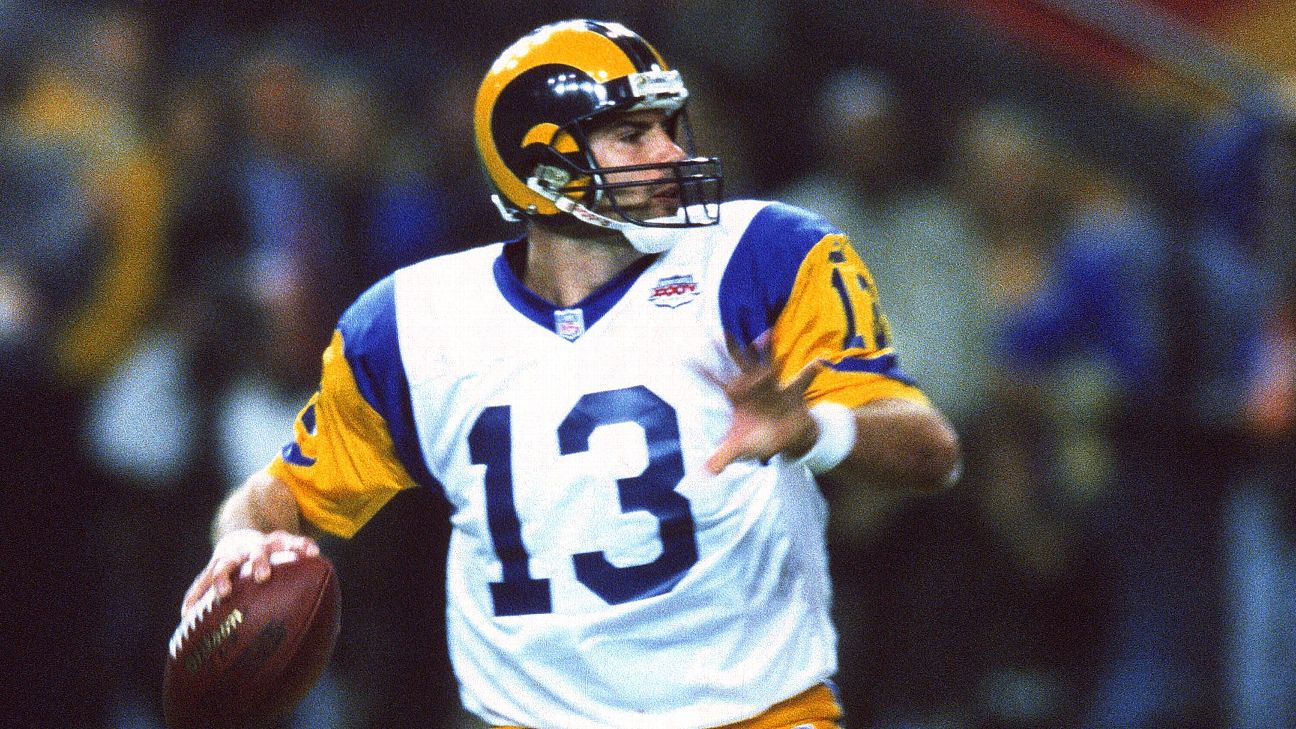
The move also raises broader questions about the role of former players in shaping the future of teams, particularly when their reputations carry significant weight within both the organization and the fanbase.
For Rams supporters, the emotional impact of Warner’s return cannot be overstated, as it reconnects the franchise with one of the most iconic periods in its history, evoking memories of triumph, resilience, and transformation.
At the same time, this emotional connection is precisely what fuels skepticism, with critics arguing that decisions should be driven by current needs rather than past glory, no matter how influential that past may be.
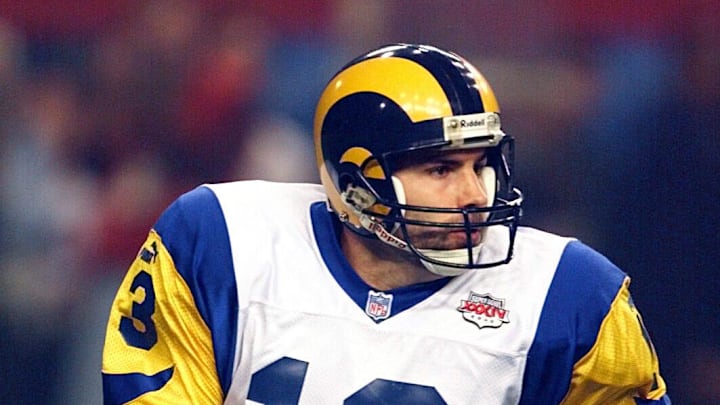
NFL insiders suggest that Warner’s role could extend beyond traditional leadership positions, potentially involving mentorship programs, strategic consultation, and even public representation of the franchise on a global stage.
If true, this would position him not just as a symbolic figure, but as an active participant in shaping the Rams’ identity and direction in the years to come.