
Philadelphia, PA — In a league often defined by contracts and transactions, the Philadelphia Eagles delivered something far more meaningful this week — a gesture rooted in loyalty, memory, and the unbreakable bond between a team and one of its own.
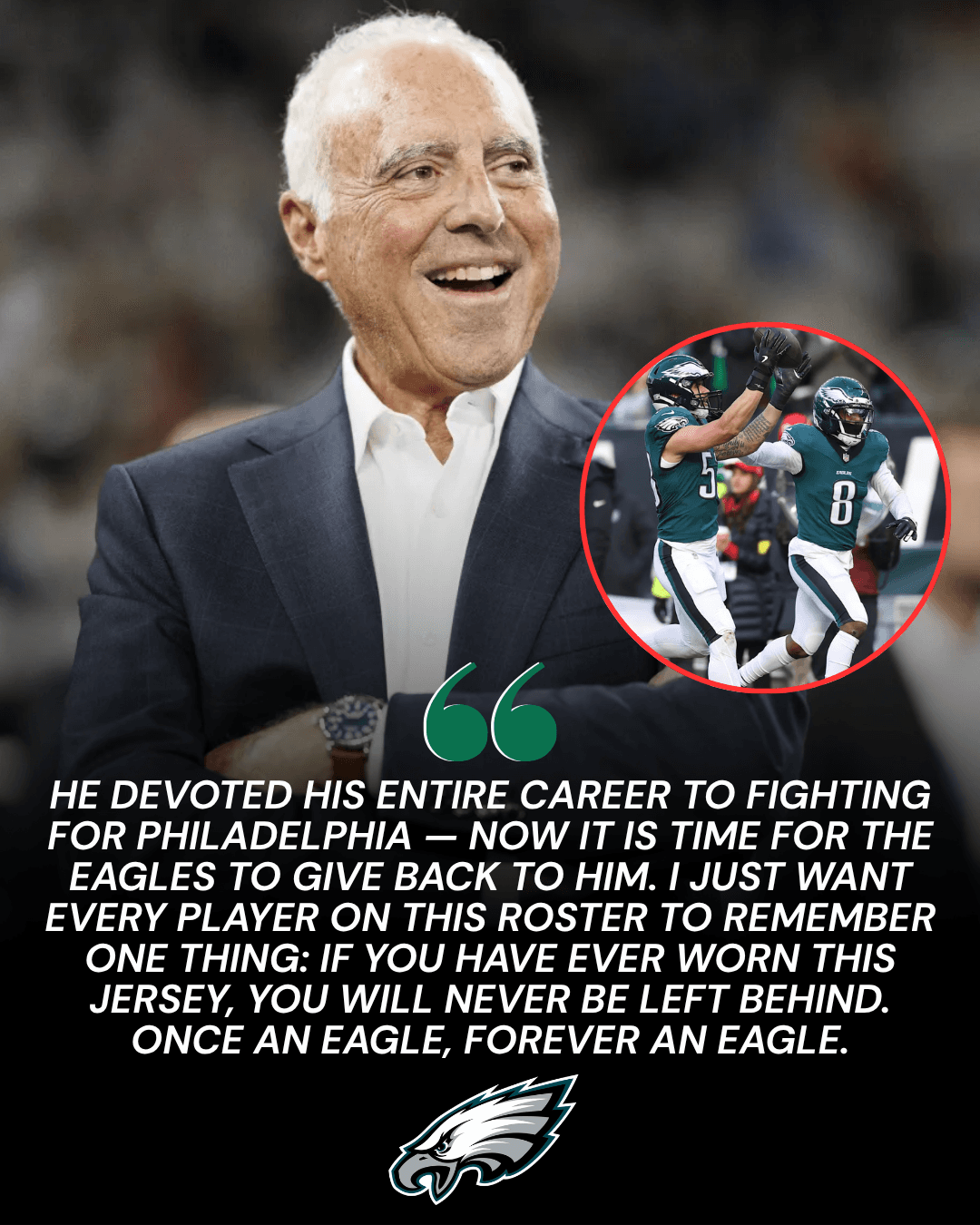
Eagles owner Jeffrey Lurie made the announcement in an emotional statement, emphasizing that the franchise’s loyalty extends far beyond the playing field and endures through every chapter of life.
“He spent his entire career fighting for the Eagles — now it’s time for the organization to repay him.”
Jeffrey said: “If you have ever worn this jersey, you will never be left behind.”
For a fanbase built on resilience and honesty, this story runs deeper than football. It speaks to what happens long after the final whistle, when the cheers fade and only life’s toughest battles remain.
At the center of it all is Donnie Jones — a Super Bowl LII champion, a quiet cornerstone of the historic 2017 campaign, and to many in Philadelphia, the greatest punter the franchise has ever had.
Jones spent five seasons in Philadelphia from 2013 to 2017 and was known to fans as “Donnie Longball,” redefining the standard of consistency at the punter position. He recorded 374 punts, averaging over 45 yards per kick, while setting a franchise record with 138 punts placed inside the 20-yard line.
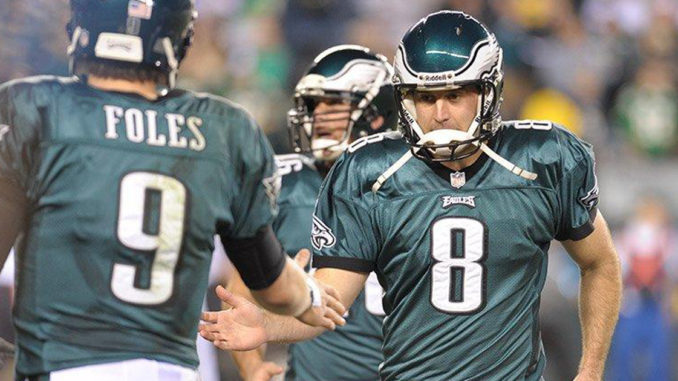
However, after retiring, in recent months Jones has been battling an aggressive form of pancreatic cancer, a disease that requires continuous treatment. Sources close to the family revealed he has endured weekly chemotherapy cycles lasting hundreds of hours, multiple hospitalizations, and recovery periods stretching across exhausting months.
The cost of living became overwhelming. Medical bills rose week after week, draining savings, then assets, and ultimately pushing the family toward an unimaginable decision.
In the end, they sold the one item that symbolized a lifetime of sacrifice — his Super Bowl LII ring. It brought in just over $100,000 at auction, a painfully small figure compared to what it truly represented.
When news of that transaction reached the Eagles organization, the reaction was immediate and deeply emotional. This was not just a former player in need — it was a part of their history, a part of their identity.